
Table of Contents
The 30-Minute Italian Classic That Makes Every Weeknight Feel Special
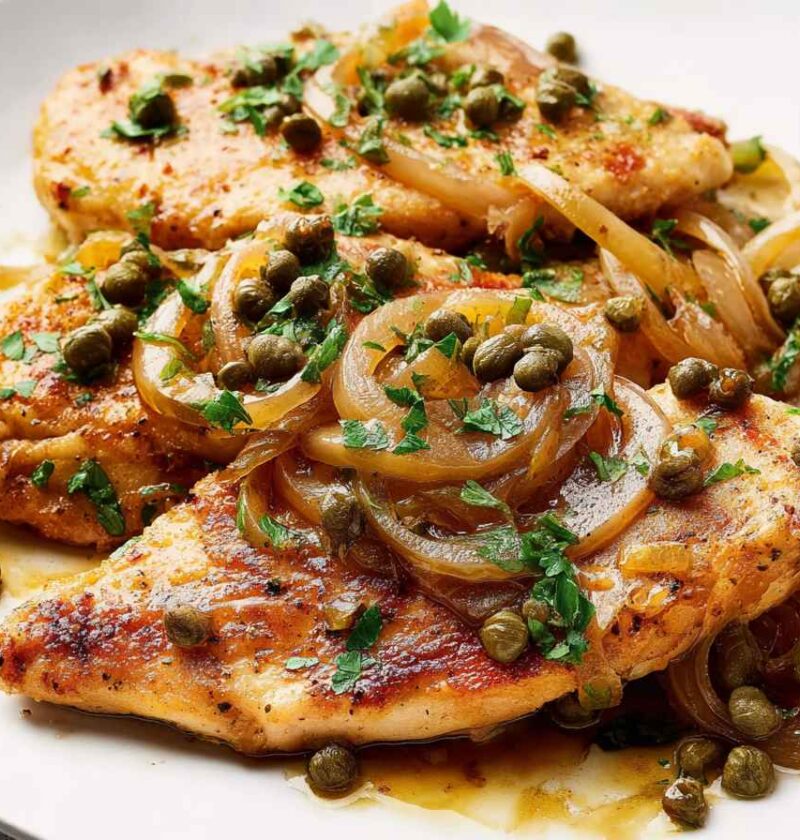
If you’ve ever wanted a restaurant-quality Italian dinner on the table in under 30 minutes, chicken piccata is the recipe that makes it happen every single time. Thin, golden-seared chicken cutlets nestled in a bright, silky sauce of white wine, lemon, and briny capers — finished with cold butter swirled off the heat until the whole pan turns glossy and irresistible. Simple. Elegant. Absolutely unforgettable.
This recipe is built for the home cook who wants real Italian-American flavor without a culinary degree or a drawer full of obscure ingredients. One skillet, pantry staples, and 30 minutes produce chicken so tender and a sauce so deeply flavorful that you’ll wonder why you ever ordered it at a restaurant. The secret is in the technique — pounding the chicken thin for a consistent golden crust, building the sauce from the browned bits left in the pan, and finishing it off heat with cold butter for that glossy, restaurant-style finish.
Whether you serve it over angel hair pasta, creamy mashed potatoes, or steamed vegetables, chicken piccata elevates any plate it touches. It’s high-protein, naturally low-carb without the pasta, and versatile enough to work for a casual Tuesday or an impressive dinner party.
Why You’ll Love This Recipe
- On the table in 30 minutes — 10 minutes of prep, 20 minutes of cooking, zero waiting
- One skillet from start to finish — the sauce builds directly in the pan where the chicken seared, capturing every drop of flavor
- Restaurant-quality lemon butter caper sauce — bright, briny, silky, and deeply savory without a drop of cream
- High-protein and naturally gluten-adaptable — swap flour for a GF blend and nothing changes
- Foolproof technique — thin cutlets cook fast and evenly; the sauce comes together in under 5 minutes
- Pairs with everything — pasta, rice, mashed potatoes, polenta, or roasted vegetables
- Impressive enough for guests — looks and tastes like it took far more effort than it did
Ingredients
The Chicken
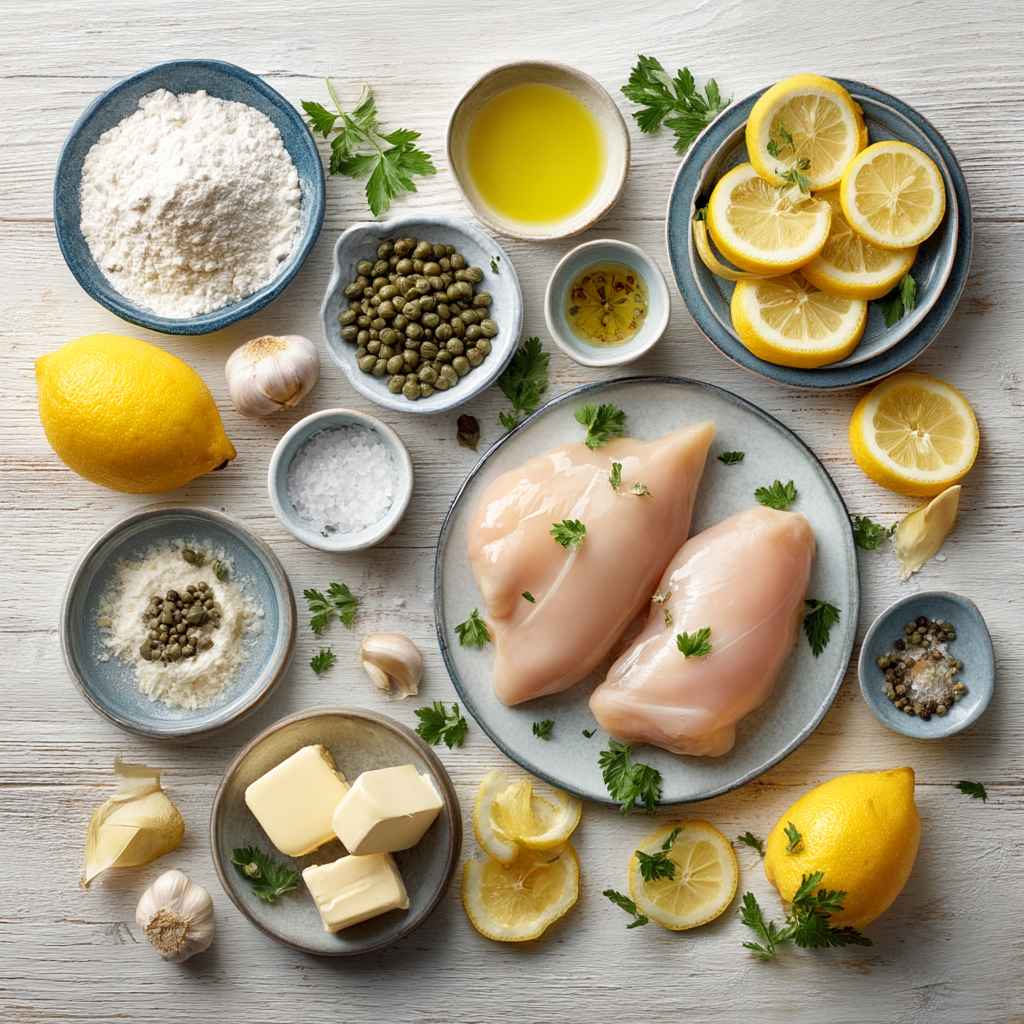
- 2 large boneless, skinless chicken breasts (about 1½–2 lbs / 680–900g total), halved horizontally into 4 thin cutlets (or use 4 thin-cut chicken breasts)
- ½ cup (60g) all-purpose flour, for dredging (sub: 1:1 GF flour blend for gluten-free)
- ¾ tsp (4.5g) kosher salt
- ½ tsp (1.5g) black pepper
- ¼ tsp (0.75g) garlic powder
The Sear
- 2 tbsp (28g) unsalted butter
- 1 tbsp (15ml) extra virgin olive oil (the combination of both prevents the butter from burning while adding flavor)
The Piccata Sauce
- 1 small shallot, finely minced (sub: 2 tbsp finely diced white onion)
- 2 garlic cloves, finely minced
- ½ cup (120ml) dry white wine (Pinot Grigio or Sauvignon Blanc work beautifully; sub: extra chicken broth for alcohol-free)
- ½ cup (120ml) low-sodium chicken broth
- 3 tbsp (45ml) fresh lemon juice (from about 1½ lemons) — always fresh, never bottled
- 1 tsp (2g) fresh lemon zest
- 3 tbsp (45g) drained capers (non-pareil capers are smaller, more evenly distributed, and classically Italian — rinse them briefly to reduce saltiness)
- 3 tbsp (42g) cold unsalted butter, cut into cubes (must be cold — this is what makes the sauce glossy and silky)
Finishing & Serving
- 2 tbsp fresh flat-leaf parsley, finely chopped
- Lemon slices for garnish
- Pasta (angel hair or spaghetti), mashed potatoes, or roasted asparagus for servingCaper Note: Capers are the briny, tangy backbone of piccata and are non-negotiable for the authentic flavor. Find them in the condiments aisle near olives and pickles. If you genuinely can’t find them, finely chopped green olives offer a similar briny punch — but seek out the capers first.
Step-by-Step Instructions
Slice the chicken breasts in half horizontally to create 4 thin cutlets. Place each cutlet between two sheets of plastic wrap and pound gently with a meat mallet or rolling pin to an even ½-inch (1.2cm) thickness. [PRO TIP: Even thickness is the entire game — thin, uniform cutlets cook in under 5 minutes per side and stay juicy throughout, while uneven cutlets produce dry edges and undercooked centers.]
In a shallow bowl, whisk together the flour, salt, pepper, and garlic powder. Dredge each cutlet through the flour mixture, pressing gently so it adheres on all sides, then shake off the excess. The flour creates the golden crust and also thickens the sauce slightly as it cooks.
Heat 2 tablespoons of butter and 1 tablespoon of olive oil in a large skillet over medium-high heat until the butter is melted and just beginning to foam. The oil raises the smoke point; the butter adds irreplaceable richness and color.
Add the chicken cutlets in a single layer — do not crowd the pan. Cook in two batches if needed. Sear for 4–5 minutes on the first side, undisturbed, until deep golden brown. Flip and cook for another 3–4 minutes on the second side until cooked through. [PRO TIP: Don’t move the chicken around after it hits the pan — let it sit undisturbed so a proper golden crust forms. If it sticks, it’s not ready to flip yet.]
Transfer the seared chicken to a plate and tent loosely with foil to keep warm. Do not clean the pan — every browned bit on the bottom is concentrated flavor that becomes the foundation of your sauce.
Reduce the heat to medium. Add the minced shallot and garlic to the same pan. Sauté for 1–2 minutes, stirring, until softened and just beginning to turn golden. Watch the garlic carefully — it burns quickly and turns bitter.
Pour in the white wine to deglaze the pan, scraping up every caramelized bit from the bottom with a wooden spoon. Let the wine simmer and reduce by half, about 2–3 minutes. The alcohol cooks off, leaving behind deep, savory flavor.
Add the chicken broth, lemon juice, lemon zest, and capers. Stir to combine and let the sauce simmer over medium heat for 3–4 minutes until it reduces slightly and the flavors concentrate. [PRO TIP: Taste the sauce at this stage — it should be bright, bold, and slightly tart. If it’s too sharp, add a splash more broth. If it’s too mild, add a squeeze more lemon.]
Remove the pan from the heat entirely. Add the cold butter cubes all at once and swirl the pan in a continuous circular motion until every cube melts into the sauce. This off-heat butter mounting technique — classic French beurre blanc — creates a glossy, emulsified sauce that clings to the chicken without breaking or turning greasy. [PRO TIP: Never return the pan to high heat after adding the cold butter — boiling butter breaks the emulsion and the sauce splits into a greasy puddle. Low residual heat is all it needs.]
Return the chicken cutlets and any resting juices to the pan. Spoon the sauce generously over each piece and let everything sit together over very low heat for 1–2 minutes until the chicken is warmed through and fully coated.
Scatter the fresh parsley over the top, add lemon slices for garnish, and serve immediately. Spoon extra sauce from the pan over each plate — don’t leave a single drop behind.
Macros & Nutrition
Per serving (based on 4 servings, chicken and sauce only, no pasta or sides):
| Nutrient | Amount |
|---|---|
| Calories | 345 kcal |
| Protein | 38g |
| Total Carbs | 10g |
| Net Carbs | 9g |
| Fat | 16g |
| Fiber | 1g |
| Sodium | ~560mg |
Note: Macros were calculated using 2 large chicken breasts, ½ cup flour (with residual after dredging), 3 tablespoons finishing butter, and ½ cup each white wine and chicken broth, divided into 4 equal servings. Serving over 2 oz of angel hair pasta adds approximately 200 kcal and 40g carbs per portion. For precise tracking, input your specific brands into Cronometer or MyFitnessPal.
Expert Tips, Variations & Storage
3 Tips for a Flawless Chicken Piccata Every Time
Pound the chicken — don’t skip it. Uneven chicken breasts are the root cause of every overcooked, dry piccata. A quick 60 seconds with a meat mallet produces cutlets that cook in under 5 minutes per side, sear uniformly golden on every inch, and stay juicy through to the center. It’s the single highest-return technique move in this entire recipe.
Add the butter off the heat. This is the professional technique that separates a glossy, restaurant-quality piccata sauce from a greasy, broken one. Cold butter swirled into a pan that has been pulled off the flame creates an emulsified, silky sauce that coats the chicken beautifully. The moment you return the pan to boiling heat after adding butter, the emulsion breaks. Take the pan completely off the burner every time.
Use the pan drippings aggressively. The browned bits left in the skillet after searing the chicken are the most flavorful part of the entire dish — the French call it fond and it’s the foundation of every great pan sauce. Deglaze them completely with the white wine, scraping the bottom until the pan looks nearly clean. Every caramelized molecule that dissolves into the sauce makes it taste dramatically deeper and richer than a sauce started in a clean pan.
3 Delicious Variations
Creamy Piccata Version: After adding the broth and lemon juice, stir in ¼ cup of heavy cream before returning the chicken to the pan. The cream mellows the tartness slightly and produces a richer, more velvety sauce that clings even more beautifully to pasta. It’s a small departure from the classic but an irresistible one.
Parmesan-Crusted Version: Mix 2 tablespoons of finely grated Parmesan into the flour dredging mixture. The Parmesan adds a nutty, deeply savory crust that caramelizes even more beautifully than plain flour — a technique championed by RecipeTin Eats that produces a measurably richer result.
Salmon or Pork Piccata: The piccata technique works beautifully with thin pork cutlets (pork piccata) or salmon fillets (salmon piccata). Use the exact same sauce recipe — simply adjust searing times (pork: 3–4 minutes per side; salmon: 3 minutes per side) and you have an entirely new dish from the same method.
Storage & Reheating
- Fridge: Store chicken and sauce together in an airtight container for up to 3 days — the sauce thickens overnight but loosens when gently warmed
- Freezer: Not ideal — the butter-based sauce can separate when frozen and thawed; best enjoyed fresh or refrigerated only
- Reheat: Warm gently in a skillet over low heat with a splash of chicken broth, stirring the sauce as it heats — the broth re-emulsifies the butter and restores that silky consistency; microwave on 50% power in 60-second intervals if in a hurry
FAQ — People Also Ask
Q: What does “piccata” mean in Italian cooking?
A: Piccata refers to a cooking technique — not just a dish — where thin slices of meat are lightly floured, pan-seared until golden, and finished with a sharp, acidic pan sauce, typically lemon, capers, and butter. The word itself derives from the Italian piccato, meaning “larded” or “piquant.” Originally made with veal scallopini, chicken became the more popular modern interpretation, though pork, fish, and even tofu are all prepared piccata-style today.
Q: How do you keep chicken piccata from being too sour?
A: Balance is the key — too much lemon juice overwhelms the dish. The correct ratio is 3 tablespoons of fresh lemon juice per ½ cup of chicken broth and ½ cup of wine. The finishing butter is equally important — it neutralizes excess acidity and rounds out the sharp edges of the lemon into something bright and mellow rather than face-puckeringly sour. Taste the sauce before adding the butter and adjust with a splash of extra broth if needed.
Q: What is the best pasta to serve with chicken piccata?
A: Angel hair pasta (capellini) is the classic and most complementary pairing — its delicate strands don’t compete with the thin cutlets and soak up the bright lemon butter sauce without overwhelming it. Spaghetti, linguine, and thin fettuccine all work beautifully. For a heartier result, serve over creamy mashed potatoes or polenta, which absorb the sauce in a completely different but equally satisfying way.
Q: Can I make chicken piccata without white wine?
A: Yes — substitute the white wine with an equal amount of additional chicken broth plus an extra teaspoon of lemon juice to approximate the acidity the wine provides. The sauce will be slightly less complex in flavor but still delicious. Low-sodium chicken broth works better than regular here since the capers already bring significant saltiness to the dish.
Q: How do I know when chicken piccata is cooked through?
A: The most reliable method is a quick-read thermometer — chicken is fully cooked at an internal temperature of 165°F (74°C). Visually, properly pounded ½-inch cutlets will be opaque white throughout with no pink when you cut into the thickest part, and the juices will run clear. Because they’re so thin, they cook very quickly — err on the side of pulling them at 160°F, as residual heat from the warm sauce will carry them to 165°F.
Plate It, Pour the Sauce, Take a Bow
Chicken piccata is the kind of dish that makes you look like a genuinely gifted cook with 30 minutes of actual effort — a golden, pan-seared cutlet in a sauce so bright, silky, and perfectly balanced that every forkful earns its keep. One skillet, real ingredients, and a technique you’ll use for the rest of your life.
If you make this recipe, drop a comment below and tell me what you served it over! Save it to your chicken and Italian dinner boards on Pinterest, and tag me in your photos — a perfectly sauced piccata on a plate is one of the most beautiful things a kitchen can produce.
Chicken Piccata
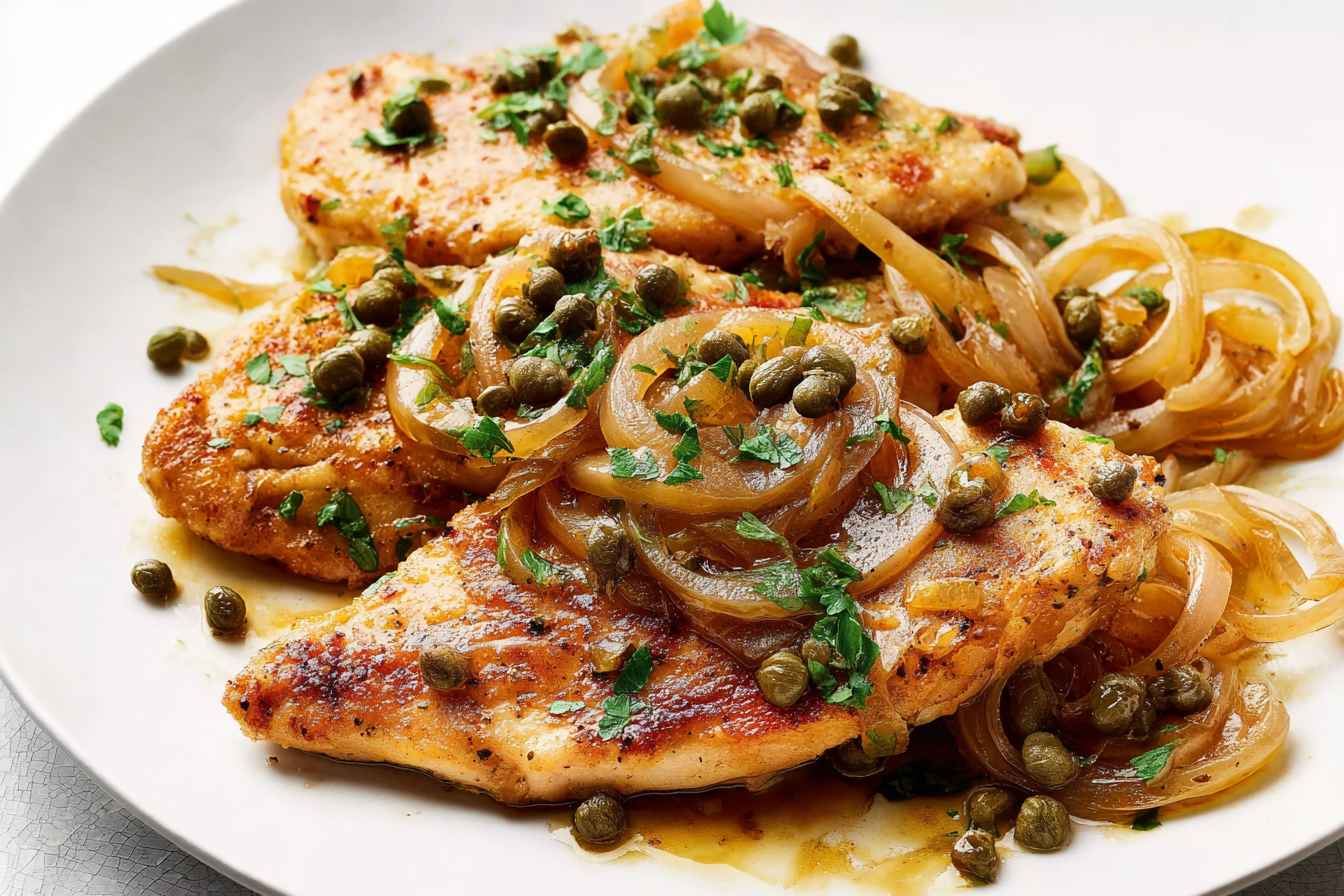
Chicken Piccata is a classic Italian-American dish featuring golden, lightly breaded chicken cutlets simmered in a bright and tangy lemon butter caper sauce. Ready in just 30 minutes with simple pantry ingredients, this restaurant-quality dinner is incredibly flavorful, elegant, and perfect served over pasta or with crusty bread.