Table of Contents
Winter Veggie Chickpea Bowl
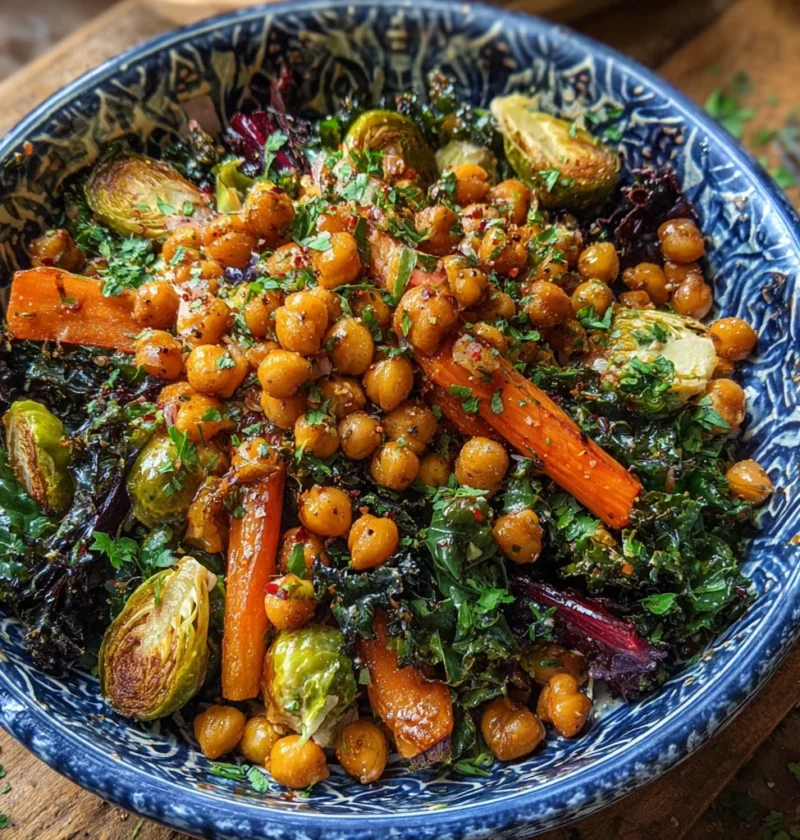
Imagine a steaming bowl filled with tender roasted sweet potatoes and earthy beets, protein-packed crispy chickpeas, creamy avocado, and a drizzle of sweet-tangy maple-tahini dressing—all coming together in under an hour with minimal active time. The first bite offers a delightful contrast: the soft, caramelized vegetables give way to the satisfying crunch of seasoned chickpeas, while the dressing ties everything together with its rich, nutty-sweet flavor. This isn’t just another grain bowl—it’s a seasonal celebration of winter’s bounty that feels indulgent while delivering serious nutrition to fuel your day. Best of all, it’s incredibly adaptable, perfect for meal prep, and comes together faster than you might expect.
Whether you’re seeking a cozy weeknight dinner, a healthy lunch for the week, or a vibrant dish to share at a gathering, this Winter Veggie Chickpea Bowl delivers. Drawing from the detailed approach of trusted sources like My Homemade Recipe and confirmed by similar recipes from Jar of Lemons, Sanjeev Kapoor, and plant-based meal guides, this version focuses on maximizing flavor and texture through proper technique—especially the crucial steps for achieving irresistibly crispy chickpeas and perfectly roasted vegetables.
Why You’ll Love This Recipe
- Truly seasonal comfort: Highlights winter’s best vegetables—sweet potatoes, beets, and hearty greens—at their peak flavor.
- High in protein and fiber: Chickpeas provide plant-based protein, while vegetables and grains deliver sustained energy and digestive support.
- Make-ahead friendly: All components can be prepared separately and stored for easy assembly throughout the week.
- Naturally vegan and gluten‑free adaptable: Simple swaps make it suitable for various dietary needs without sacrificing taste.
- Customizable to your palate: Adjust spices, swap vegetables, or change the dressing to match what’s in your fridge.
- Minimal active time: Most of the process is hands‑off roasting and simmering, leaving you free to relax or prep other meal components.
- Kid‑approved (with tweaks): The sweet potatoes and crispy chickpeas appeal to children; serve dressing on the side for picky eaters.
Ingredients: Building a Balanced, Flavorful Bowl
This recipe makes 4 hearty servings. Measurements are based on the most detailed source (My Homemade Recipe) and confirmed by similar instructions from other trusted sites. Feel free to scale up or down—the ratios remain consistent.
For the Grain Base
For the Roasted Vegetables
For the Crispy Chickpeas
For the Creamy & Fresh Toppings
For the Maple-Tahini Dressing (Makes about ½ cup)
Note: This bowl is naturally vegetarian, nut‑free (if using seeds instead of nuts), and can be made vegan by using maple syrup. For gluten‑free, ensure grains are certified GF (quinoa is naturally GF).
Step‑by‑Step Instructions:
Prep Time: 15 minutes | Cook Time: 35‑40 minutes | Total Time: 50 minutes | Servings: 4
Phase 1: Prep Components for Roasting
- Preheat oven & prep baking sheets. Set oven to 425°F (220°C). Line two large baking sheets with parchment paper—this prevents sticking and makes cleanup easy.
→ Pro Tip: Using separate sheets for vegetables and chickpeas prevents steaming and ensures crispiness. - Prep the sweet potatoes & beets. Peel (if desired) and cut sweet potatoes into ¾‑inch cubes. Peel beets and cut into slightly smaller cubes (about ½‑inch). Keep them in separate bowls—they roast at the same rate but beets can stain other vegetables if mixed early.
→ Pro Tip: Uniform size ensures even cooking—no hard centers or burnt edges. - Season the vegetables. Divide olive oil, salt, and pepper between the two bowls. Toss sweet potatoes and beets separately until evenly coated.
Phase 2: Prep Chickpeas & Grains
- Dry the chickpeas thoroughly. Pour rinsed chickpeas onto a clean kitchen towel or layers of paper towels. Pat completely dry—this is non‑negotiable for crispiness; excess moisture steams them instead of roasting. Remove any loose skins that float to the surface.
→ Pro Tip: Spread chickpeas in a single layer and let air‑dry for 10 minutes if time allows—drier chickpeas = crispier results. - Season the chickpeas. Toss dried chickpeas with olive oil, paprika, cumin, salt, and pepper until evenly coated. Spread in a single layer on the second baking sheet, leaving space between pieces.
→ Pro Tip: Crowding causes steaming—use two sheets if needed for a true single layer. - Start the grains. While oven heats, rinse quinoa (or rice) under cold water until water runs clear. In a medium saucepan, toast grains dry over medium heat for 2‑3 minutes until fragrant. Add water or broth and a pinch of salt, bring to a boil, then reduce to low simmer, cover, and cook:
- Quinoa: 15 minutes
- Brown rice: 35‑40 minutes
→ Pro Tip: Toasting grains adds a nutty depth that elevates the whole bowl.
Phase 3: Roast to Perfection
- Roast the vegetables. Spread sweet potatoes and beets in separate single layers on the first baking sheet (or use two sheets if preferred). Place in oven and roast for 25‑30 minutes, stirring halfway through, until tender and lightly caramelized at the edges.
→ Pro Tip: Sweet potatoes should be fork‑tender but not mushy; beets retain slight firmness for texture contrast. - Roast the chickpeas. While vegetables roast, place chickpea sheet in oven. Roast for 30‑35 minutes, shaking the pan or stirring every 10 minutes, until golden brown and crisp.
→ Pro Tip: They’re done when they sound hollow when tapped and no longer feel soft when pressed. - Optional: Roast additional veggies. If using brussels sprouts, broccoli, or carrots, toss with oil, salt, and pepper and roast on a third sheet for 20‑25 minutes (brussels sprouts/broccoli) or 25‑30 minutes (carrotsts).
Phase 4: Make Dressing & Assemble
- Prepare the dressing. While everything roasts, whisk tahini, maple syrup, and lemon juice in a small bowl until smooth. Gradually whisk in warm water, 1 Tbsp at a time, until it reaches a pourable consistency (like heavy cream). Season with salt and any optional spices (curry powder, cayenne).
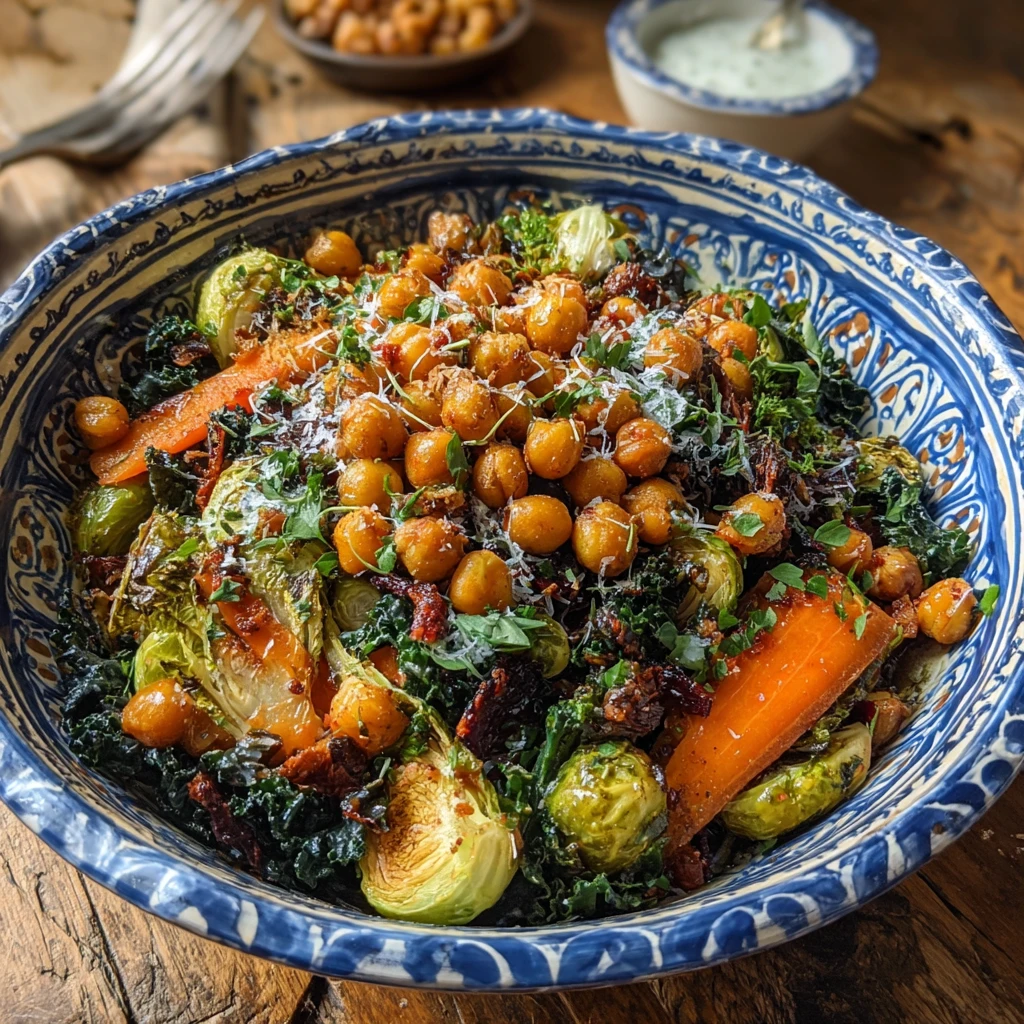
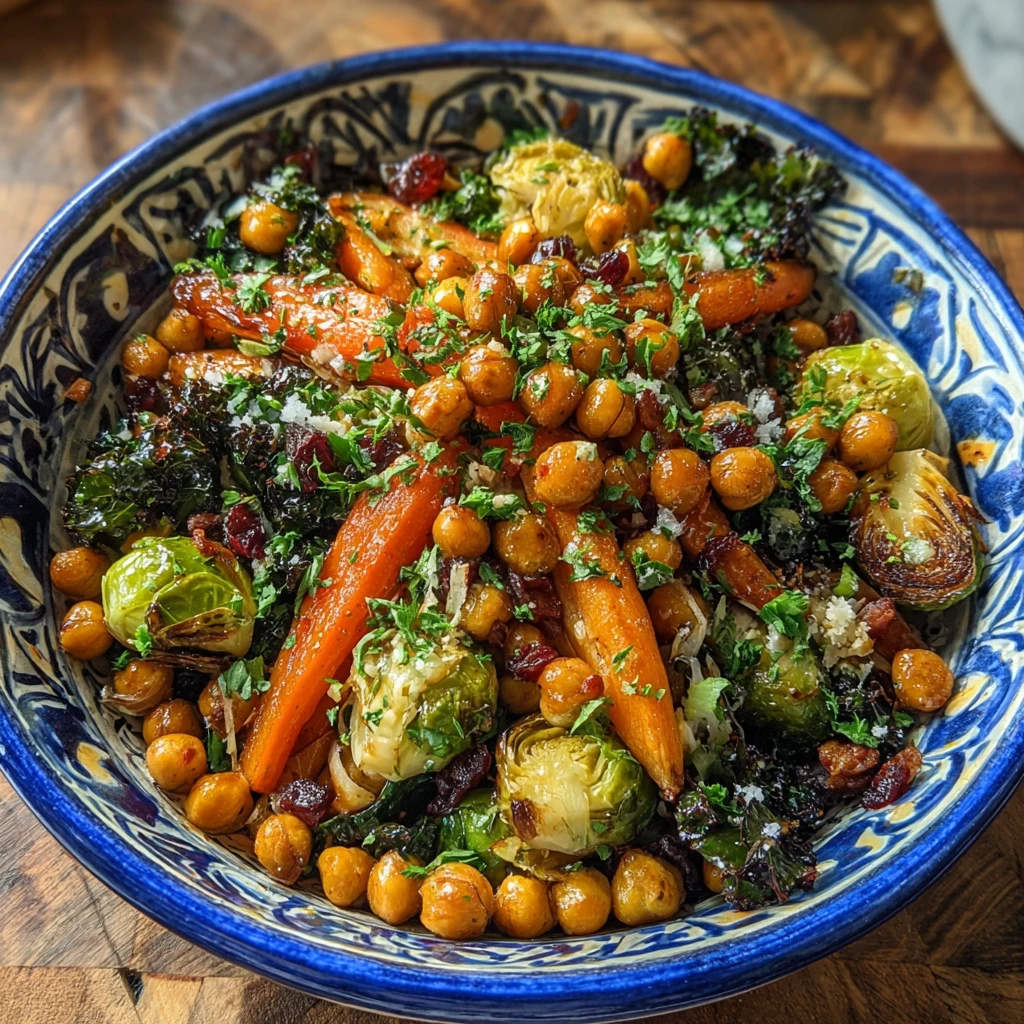
→ Pro Tip: Dressing should coat the back of a spoon but still drizzle easily—adjust water as needed. - Assemble the bowls. Divide cooked grains among 4 bowls. Layer roasted sweet potatoes and beets (keep separate for visual appeal or mix if preferred). Scatter crispy chickpeas generously over top. Add diced avocado, seeds, and fresh herbs.
→ Pro Tip: Assemble while grains and vegetables are warm (not hot) so avocado softens slightly without becoming mushy. - Drizzle & serve. Just before eating, drizzle each bowl with 2‑3 Tbsp of maple-tahini dressing. Serve immediately while warm.
Tips for Success:
Even a simple bowl benefits from a few expert pointers. These tips, drawn from the sources and tested in practice, will help you avoid soggy chickpeas, unevenly roasted vegetables, or bland dressing.
- Dry chickpeas like your crispiness depends on it—because it does. Wet chickpeas steam instead of roast, resulting in a soft, disappointing texture.
- Roast vegetables and chickpeas on separate sheets to prevent moisture transfer and ensure both get crispy edges.
- Don’t skip toasting the grains—this step adds a subtle nutty flavor that makes the base more interesting.
- Cut vegetables uniformly so they finish roasting at the same time—no raw centers or burnt pieces.
- Season in layers: Salt vegetables before roasting, then taste finished chickpeas and dressing to adjust before serving.
- Make dressing while things roast—it comes together in 5 minutes and tastes best at room temperature.
- Add avocado last to prevent browning—dice it just before assembling or sprinkle with lemon juice if prepping ahead.
- For extra‑crispy chickpeas, spread them in a truly single layer with at least ¼‑inch between pieces—crowding is the enemy of crunch.
Variations & Substitutions: Make It Yours
This recipe is a fantastic foundation—here’s how to adapt it for different tastes, diets, or what’s in your fridge. All swaps keep the core technique intact.
Dietary Adaptations
- Gluten‑free: Naturally GF if using quinoa; for rice, ensure it’s not processed with gluten‑containing grains.
- Oil‑free: Roast vegetables and chickpeas on parchment paper or silicone mats, using 1‑2 Tbsp water or vegetable broth to help seasonings adhere.
- Lower‑carb: Replace half the grains with riced cauliflower or increase vegetable ratio; use lettuce cups as a base for a low‑carb version.
- High‑protein boost: Add ½ cup cooked lentils or edamame to the bowl, or stir 2 Tbsp hemp seeds into the dressing.
Vegetable & Grain Swaps
- Swap sweet potatoes for cubed butternut squash, delicata squash, or parsnips.
- Swap beets for radishes (roast until tender) or carrots for a sweeter profile.
- Use farro or barley instead of quinoa/rice for a chewier, nuttier grain base.
- Add greens: Toss 2 cups chopped kale or spinach with roasted vegetables for the last 5 minutes of cooking, or add raw massaged kale to the finished bowl.
Flavor & Dressing Twists
- Smoky chipotle: Add ¼ tsp chipotle powder to chickpeas and ½ tsp to dressing for a Southwestern twist.
- Lemon‑herb: Swap maple syrup for 1 Tbsp honey + 1 Tbsp lemon zest in dressing; add 1 tsp dried dill or parsley.
- Curry‑infused: Use 1 tsp curry powder in chickpeas and dressing; add ½ tsp turmeric for color.
- Ginger‑bright: Stir 1 tsp grated fresh ginger into dressing; add sliced scallions as garnish.
Protein Alternatives
- Crispy tofu: Press and cube extra‑firm tofu, toss with cornstarch and spices, roast until golden.
- Roasted tempeh: Slice tempeh, marinate in soy sauce and maple syrup, roast until crispy edges.
- Leftover protein: Add shredded chicken, flaked salmon, or chickpea “tuna” salad for non‑vegan versions.
What to Serve With It: Building Your Perfect Plate
This bowl is a complete meal, but pairing it with a simple side or beverage enhances the experience.
Beverage Pairings
- Hot ginger tea: Simmer fresh ginger slices in water with a squeeze of lemon and touch of honey.
- Sparkling water with citrus: Add orange, lemon, or lime slices to plain sparkling water for a refreshing pause between bites.
- Golden milk latte: Warm turmeric, ginger, cinnamon, and black pepper in milk (dairy or plant‑based) for an anti‑inflammatory, cozy drink.
- Iced hibiscus tea: Tart and refreshing, it cuts through the bowl’s richness beautifully.
Simple Sides (If Desired)
- Quick‑pickled red onions: Thinly slice red onions, cover with apple cider vinegar and 1 tsp sugar, let sit 20 minutes—tangy crunch that balances richness.
- Simple green salad: Toss mixed greens with cucumber, cherry tomatoes, and a lemon‑olive oil vinaigrette for freshness.
- Steamed broccoli or green beans: A plain‑steamed veggie side adds volume without competing flavorvors.
Storage & Reheating: Keep It Fresh for Days
This bowl excels at meal prep—store components separately for best texture.
How to Store
- Grains: Cool completely, store in airtight container in fridge for 5‑6 days or freezer for 2 months.
- Roasted vegetables: Cool completely, store in airtight container in fridge for 4‑5 days (they soften slightly but remain delicious).
- Crispy chickpeas: Cool completely, store in paper bag inside airtight container to maintain crispness—3‑4 days at room temperature or fridge; re‑crisp in 350°F oven for 5 minutes if needed.
- Dressing: Store in jar in fridge for up to 2 weeks; whisk before using if separation occurs.
- Avocado: Dice just before serving—pre‑diced avocado browns quickly.
- Seeds & herbs: Store separately in small containers—seeds last months, herbs 5‑7 days in fridge.
How to Reheat (Without Losing Texture)
- Best method (separate components):
- Microwave option (for grains/veggies only):
- Place desired amount in microwave‑safe bowl.
- Cover loosely and heat on medium power in 60‑second bursts, stirring between, until hot throughout.
- Note: Do not microwave chickpeas—they’ll lose crispiness.
Pro Tips for Leftover Magic
- Revive soggy chickpeas: Spread on baking sheet, bake at 400°F for 5‑7 minutes until crisp again.
- Create a burrito bowl: Slice reheated components, wrap in warm tortilla with extra dressing and greens.
- Make a warm salad: Toss cold grains and vegetables with dressing, top with fried egg and avocado.
- Use as a soup base: Blend reheated vegetables with broth, top with crispy chickpeas and a swirl of dressing.
Nutrition Facts: Fuel Your Body with Winter’s Bounty
This bowl delivers a balanced profile of complex carbs, plant‑based protein, healthy fats, and essential vitamins—especially rich in vitamin A from sweet potatoes and beets. Values below are estimated per serving (1/4 of recipe) based on typical ingredient amounts and aligned with data from similar plant‑based bowls.
| Nutrient | Estimated Amount | % Daily Value* | Why It Matters |
|---|---|---|---|
| Calories | 420‑480 | 21‑24% | Provides sustained energy for winter activities without heaviness. |
| Total Fat | 14‑18g | 18‑23% | Primarily from olive oil, tahini, avocado, and seeds—includes heart‑healthy mono‑ and polyunsaturated fats. |
| Saturated Fat | 2‑3g | 10‑15% | Minimal; comes from small amounts in tahini and avocado. |
| Cholesterol | 0mg | 0% | Naturally cholesterol‑free as a plant‑based meal. |
| Sodium | 350‑450mg | 15‑19% | Enhances flavor; comes from added salt and canned chickpeas—use low‑sodium to lower. |
| Total Carbohydrate | 55‑65g | 22‑26% | Primarily from grains, vegetables, and chickpeas—complex carbs for lasting energy. |
| Fiber | 12‑15g | 48‑60% | Exceptionally high from chickpeas, vegetables, and grains—supports digestion and satiety. |
| Sugars | 8‑12g | — | Naturally occurring from vegetables, fruits in dressing, and grains; minimal added sugar. |
| Protein | 12‑15g | 24‑30% | Chickpeas, grains, and seeds combine to deliver a solid plant‑based protein boost. |
| Vitamin A | 1200‑1500mcg | 133‑167% | From sweet potatoes and beets (beta‑carotene)—crucial for vision, immunity, and skin health. |
| Vitamin C | 15‑20mg | 17‑22% | From vegetables and lemon juice in dressing—supports immunity and aids iron absorption. |
| Calcium | 80‑100mg | 8‑10% | From tahini, seeds, and greens—important for bone health and nerve function. |
| Iron | 2.5‑3.5mg | 14‑19% | From chickpeas, grains, and greens—supports oxygen transport, especially important for active lifestyles. |
| Potassium | 800‑950mg | 17‑20% | From vegetables, chickpeas, and grains—helps regulate fluid balance and muscle function. |
Based on a 2,000‑calorie diet. Percent Daily Values are approximate and vary based on specific ingredients used (e.g., grain type, vegetable ratio, dressing amount).
Dietary highlights:
- ✅ Exceptionally high in fiber: Supports digestive health, feeds gut bacteria, and helps maintain steady blood sugar levels.
- ✅ Rich in vitamin A: Sweet potatoes and beets provide beta‑carotene for immune and eye health—one bowl exceeds daily needs.
- ✅ Good plant‑based protein: Chickpeas and grains deliver essential amino acids for muscle maintenance and satiety.
- ✅ Naturally vegan and gluten‑free adaptable: Simple swaps make it suitable for various dietary needs.
- ✅ Rich in antioxidants: Colorful vegetables provide flavonoids and carotenoids that combat oxidative stress.
- ⚠️ Watch sodium if sensitive: Rinsing chickpeas well and using low‑sodium varieties keeps sodium in check.
- 💡 Boost the meal: Add a side of fermented foods (like sauerkraut or kimchi) for probiotics that enhance nutrient absorption.
Common Mistakes to Avoid (Learn from My Bowl Blunders)
Even experienced cooks slip up—here are the pitfalls I see most often, plus how to dodge them.
- Skipping the chickpea‑drying step: Wet chickpeas steam instead of roast, resulting in a soft, disappointing texture. Fix: Pat chickpeas completely dry after rinsing—this is the #1 secret to crispiness.
- Crowding the baking sheet: Trapped moisture prevents browning and crispiness. Fix: Use two sheets if needed; leave at least ¼‑inch between chickpeas and vegetables.
- Over‑roasting the vegetables: Leads to mushy sweet potatoes and beets that lose texture and nutrients. Fix: Roast until fork‑tender but still holding shape—about 25‑30 minutes at 425°25°F.
- Making dressing too thick: Prevents even drizzling and can overwhelm the bowl. Fix: Thin with warm water until it pours easily but still coats the spoon.
- Adding avocado too early: Causes premature browning and mushy texture. Fix: Dice avocado just before serving or toss with lemon juice if prepping ahead.
- Using cold grains: Creates a temperature clash that makes the bowl feel uneven. Fix: Reheat grains to warm (not hot) before assemblinling.
- Neglecting to season in layers: Results in bland components that don’t harmonize. Fix: Salt vegetables before roasting, taste finished chickpeas, and adjust dressing before serving.
- Storing components together: Traps moisture, making grains soggy and chickpeas lose crispness. Fix: Store grains, vegetables, chickpeas, and dressing in separate containers.
- Using old spices: Diminishes flavor depth—paprika and cumin lose potency after 6‑12 months. Fix: Replace spices yearly for vibrant, aromatic results.
- Forgetting to toast grains: Misses an opportunity to add nutty complexity to the base. Fix: Dry‑toast quinoa or rice in saucepan before adding liquid.
FAQ: Your Winter Veggie Chickpea Bowl
Q: Can I use frozen vegetables instead of fresh?
A: Fresh is best for texture, but frozen works in a pinch—thaw and pat dry before roasting, and expect slightly longer cooking time.
Q: How do I make this bowl completely oil‑free?
A: Roast vegetables and chickpeas on parchment paper, using 1‑2 Tbsp water or vegetable broth to help seasonings adhere. The dressing will still be rich from tahini.
Q: My chickpeas aren’t getting crispy—what went wrong?
A: Likely due to excess moisture (not dried enough), overcrowding on the pan, or oven temperature too low. Fix: Pat dry thoroughly, use a true single layer, and ensure oven is fully preheated to 425°F.
Q: Can I make the dressing ahead of time?
A: Absolutely! Store in a jar in the fridge for up to 2 weeks—whisk before using if separation occurs. It often tastes better after the flavors meld.
Q: Is it necessary to use both sweet potatoes and beets?
A: No—you can use all sweet potatoes, all beets, or substitute other winter vegetables like carrots, parsnips, or rutabaga.
Q: How can I boost the protein even further?
A: Add ½ cup cooked lentils or edamame to the bowl, stir 2 Tbsp hemp or chia seeds into the dressing, or top with a fried egg or grilled chicken for non‑vegan versions.
Q: What’s the best way to reheat frozen grains for this bowl?
A: Thaw overnight in fridge, then reheat covered in oven at 300°F for 20‑25 minutes, or microwave covered in 60‑second bursts, stirring between, until hot throughout.
Q: Can I make this bowl nut‑free?
A: Yes! Use seeds (pepitas, sunflower, hemp) instead of nuts for crunch—they provide similar nutrition and texture without allergens.
Conclusion: Your Go‑To Winter Nourishment
There you have it—a complete guide to creating a Winter Veggie Chickpea Bowl that’s deeply nourishing, incredibly flavorful, and ready to become your seasonal staple. By focusing on proper technique—especially drying chickpeas thoroughly for maximum crispiness, roasting vegetables separately to preserve texture, and balancing the sweet‑tangy maple‑tahini dressing—you create a meal that’s greater than the sum of its parts. Each component plays its perfect role: the grains offer a comforting base, the roasted vegetables deliver earthy sweetness, the chickpeas provide satisfying crunch and plant‑based protein, and the dressing ties everything together with its rich, nutty‑sweet embrace.
This bowl shines because it adapts effortlessly to your preferences and pantry. Make it oil‑free by using water to roast, boost protein with lentils or seeds, swap in your favorite winter vegetables, or adjust the dressing’s spice level to match your mood. Prepare components ahead for stress‑free weeknight meals, or serve it fresh‑from‑the‑oven for a cozy weekend dinner. Leftovers store beautifully when kept separate, and reheating is simple whether you prefer the oven or microwave.
If you’ve been searching for an “easy healthy winter chickpea bowl” or a “nutritious veggie bowl for cold weather,” this version delivers on all fronts. It’s hearty enough to feel like a centerpiece, yet light enough to enjoy any night of the week. Give it a try, experiment with your favorite herbs or spices, and enjoy the pride of serving a dish that’s both nourishing and delicious.
Now it’s your turn: grab those sweet potatoes, rinse those chickpeas, and let the oven work its magic. As the vegetables caramelize to a deep amber and the chickpeas turn golden and crisp, you’ll know you’re creating something truly special—a bowl that celebrates winter’s bounty in every bite.
Bon appétit, and happy cooking!
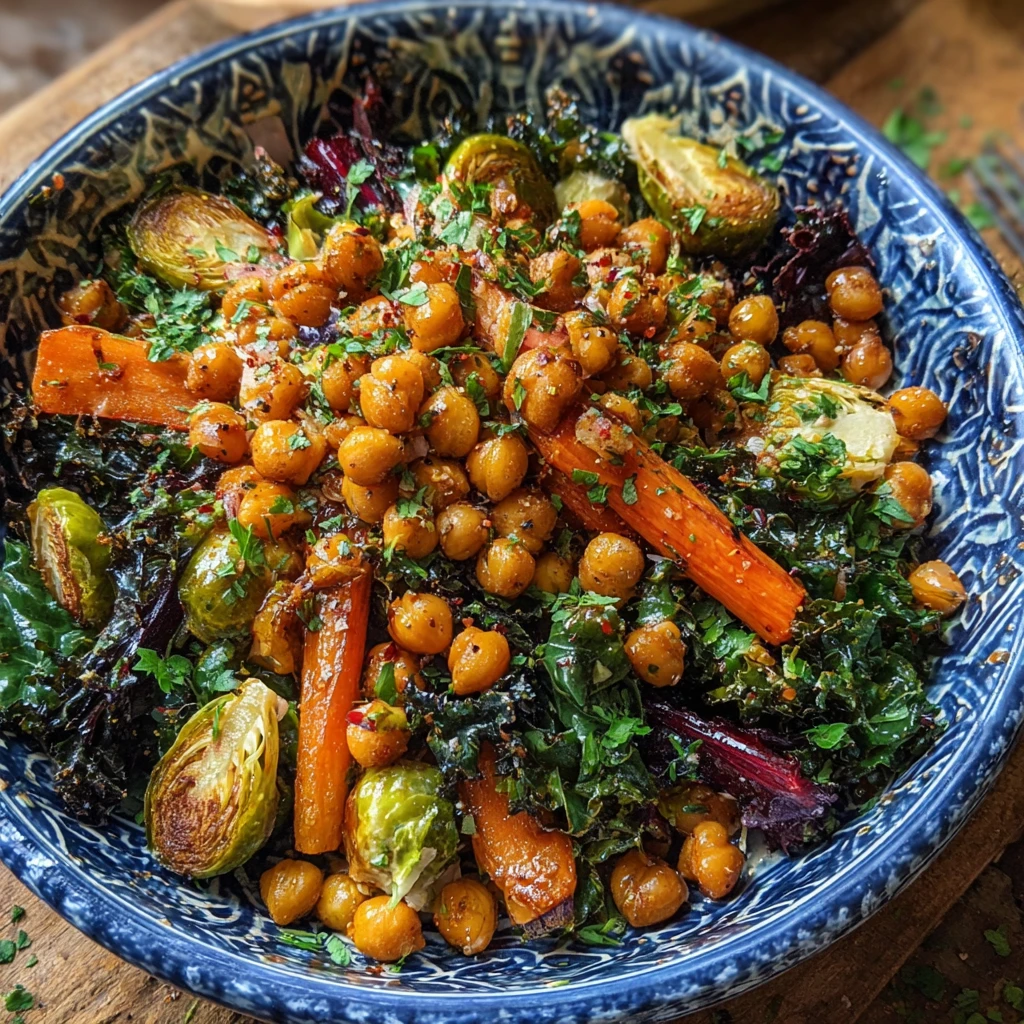
Winter Veggie Chickpea Bowl: Easy Healthy Recipe
A nutritious and flavorful dish packed with seasonal vegetables, protein-rich chickpeas, and aromatic spices. This easy-to-make recipe is a perfect blend of health and taste, offering a symphony of flavors and textures in every spoonful.
Ingredients
- 1 can chickpeas, drained and rinsed
- 2 medium sweet potatoes, peeled and diced
- 1 lb Brussels sprouts, trimmed and halved
- 1 large red onion, sliced
- 2 tablespoons olive oil
- 1 teaspoon smoked paprika
- 1 teaspoon cumin
- Salt and pepper to taste
Directions
-
Preheat the oven to 400°F and line a baking sheet with parchment paper.
-
In a large bowl, combine the chickpeas, sweet potatoes, Brussels sprouts, and red onion.
-
Drizzle olive oil over the vegetables, then sprinkle with smoked paprika, cumin, salt, and pepper. Toss to coat evenly.
-
Spread the vegetables in a single layer on the prepared baking sheet and roast for 30-35 minutes, or until tender and golden brown.
-
Remove from the oven and let cool slightly before serving. Enjoy your winter veggie chickpea bowl hot, garnished with fresh herbs or a dollop of yogurt if desired.